How to Care for Veneers Oxnard CA Dentists Recommend
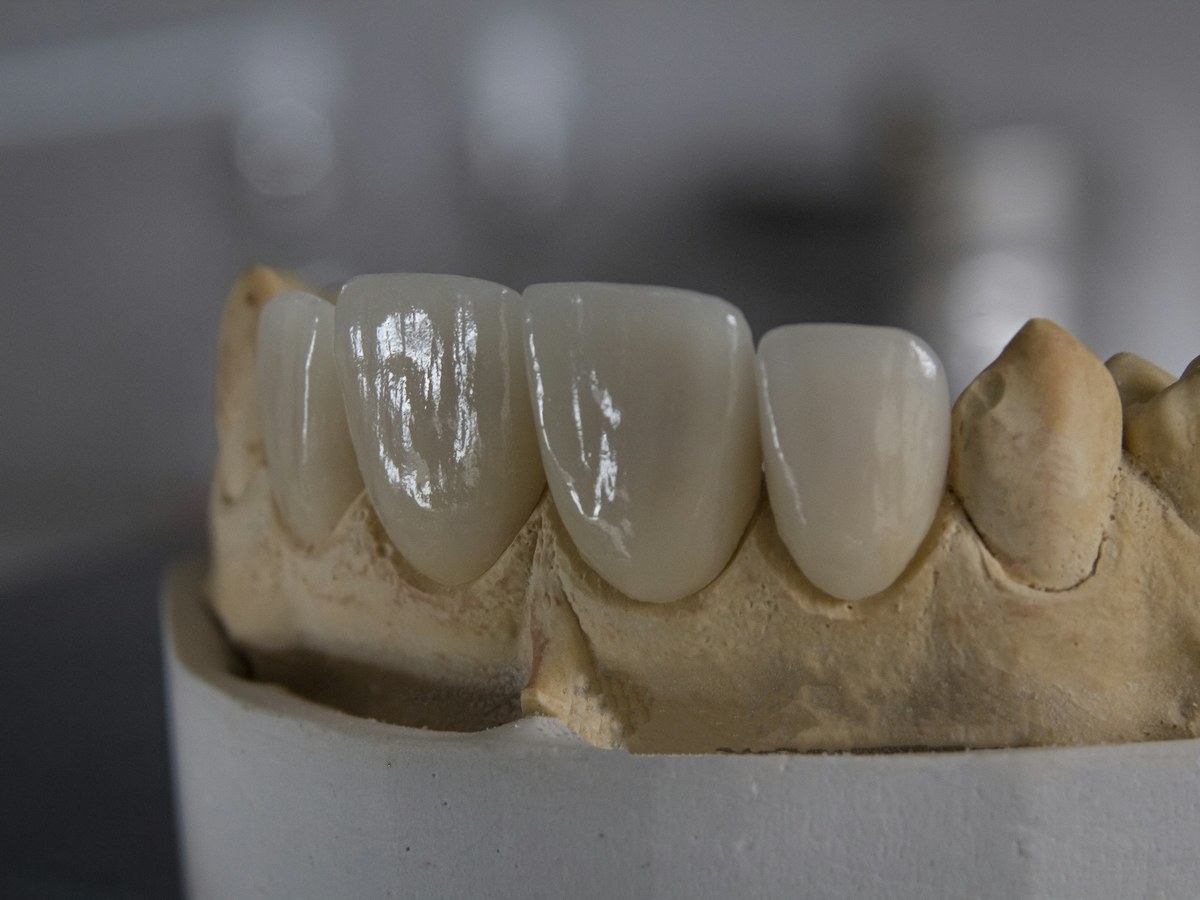
Porcelain veneers can change a smile quickly, but living with them well is a quieter skill. The people who get the best long-term results are rarely the ones chasing perfection. They are usually the Veneers Oxnard CA ones who build a few smart habits, keep regular dental visits, and understand what veneers can and cannot tolerate.
That matters because veneers are strong, but they are not indestructible. They are thin restorations bonded to the front of teeth, and while modern materials are impressive, they still rely on healthy enamel, stable bite forces, and day-to-day care that prevents chips, staining around the edges, and gum irritation. Patients often assume veneers are “done” the moment they are placed. In practice, placement is the beginning of a maintenance relationship.
If you have recently invested in veneers, or you are thinking about getting them, it helps to know what dentists typically emphasize after the smile reveal. The advice is not glamorous. It is practical, specific, and grounded in what tends to go wrong when patients get careless. For anyone researching Veneers Oxnard CA providers offer, proper aftercare is one of the most important parts of protecting that investment.
Veneers are durable, but they behave differently than natural enamel
A healthy natural tooth has some capacity to wear gradually over time and adapt to normal function. A veneer, by contrast, is a bonded shell with very precise margins. It can look beautifully lifelike for many years, yet the way it fails is often different from the way a natural tooth fails. Natural enamel may craze, stain, or wear. A veneer may chip at the edge, debond, or leave the underlying tooth vulnerable if the bond is compromised.
This is where expectations matter. Many patients hear that porcelain resists staining and assume maintenance becomes easier than before. That is partly true. The porcelain surface itself is less likely to absorb pigment than natural enamel. But the cement line, the tooth behind the veneer, and the surrounding gums still need attentive care. Coffee, red wine, curry, and tobacco may not darken porcelain in the same way they darken untreated teeth, but they can contribute to discoloration at the margins and can make neighboring teeth look more yellow by comparison.
The strongest veneer care plans start with one simple shift in mindset. Think of veneers as premium restorations attached to living teeth, not as cosmetic armor.
The first few days after placement set the tone
The adjustment period is usually short, but it is worth taking seriously. Most patients notice that veneers feel slightly unfamiliar at first, especially along the edges or behind the front teeth. This usually settles as your lips and tongue adapt. Mild sensitivity to temperature can occur, particularly if enamel was reduced during preparation. That sensitivity often fades, but if it persists or worsens, your dentist should evaluate it rather than wait indefinitely.
Chewing is another early learning curve. Right after placement, many dentists recommend avoiding very hard or sticky foods for a short period, depending on the case and the bonding protocol used. Not because veneers are fragile in a normal sense, but because the patient is still getting used to how the bite feels and where pressure lands. I have seen people test fresh veneers with pistachio shells, ice, and crusty bread ends within days of placement, almost as if they want proof of strength. That kind of “stress test” is unnecessary and sometimes expensive.
One practical tip that helps during the first week is to cut firmer foods into smaller pieces and chew more deliberately. It reduces the chance of putting awkward leverage on the front teeth before your bite feels natural again.
Daily care is less about special products and more about consistency
People often expect a complex veneer routine, but the fundamentals look familiar. Brush carefully, floss daily, protect the gums, and do not use your teeth as tools. The difference lies in technique and product choice. Scrubbing aggressively with a hard-bristled brush is not better hygiene. It can irritate gums, contribute to recession, and expose margins that should stay protected.
A soft or extra-soft toothbrush is usually the better choice, especially when paired with a non-abrasive toothpaste. This point gets overlooked. Whitening toothpastes and smoker’s toothpastes can be rougher than patients realize. They may not scratch porcelain dramatically overnight, but repeated abrasion is not your friend, particularly around margins and polished surfaces.
A sensible home routine often looks like this:
- Brush twice daily with a soft-bristled toothbrush and a low-abrasion fluoride toothpaste.
- Floss once a day with gentle, controlled motions rather than snapping floss into the gumline.
- Rinse with water after strongly pigmented drinks if brushing is not practical.
- Wear a night guard if your dentist has identified grinding or clenching.
- Keep routine cleaning and exam appointments on schedule.
That routine is not flashy, but it covers most of the risks dentists see repeatedly.
Flossing technique matters more than patients think
A veneer does not eliminate the need for floss. If anything, flossing becomes more important because healthy gum contours are essential to how veneers look. Swollen, inflamed gums can make even expertly crafted veneers appear bulky or artificial. Worse, plaque retention near the margins can create decay on the tooth structure that the veneer does not cover.
The technique is simple but worth mentioning. Guide the floss gently between the teeth, hug the side of one tooth in a C shape, move beneath the gumline with light pressure, then repeat on the adjacent tooth. The old habit of forcing floss straight down and snapping it back up can traumatize the gums. Patients sometimes worry that floss will “pull off” a veneer. In a properly bonded, well-designed case, ordinary flossing should not do that. If floss consistently shreds, catches, or slips oddly around a veneer, that deserves a dental evaluation. It can signal a rough margin, excess cement, or another issue that should be corrected.
Water flossers can help some patients, especially those with dexterity challenges or tight contacts, but they should complement rather than replace good mechanical plaque removal unless your dentist advises otherwise.
The foods that cause the most trouble are not always the obvious ones
Most people know not to chew ice. Fewer realize how often veneers are damaged by everyday habits that seem harmless. Tearing open packaging with front teeth is a classic culprit. So is absentmindedly biting fingernails, pen caps, bobby pins, or threads while sewing. Even healthy foods can create problems when used the wrong way. Raw carrots, crusty sandwich edges, and apples are not forbidden, but biting them directly with veneered front teeth can place leverage right where you do not want it. Slicing them first is a small habit with a big payoff.
Sticky foods are another gray area. Soft caramel, taffy, and gummy candies do not always break veneers, but they can put unusual stress on bonded restorations and are often paired with prolonged sugar exposure. Hard nuts are fine for many patients when chewed on posterior teeth, but cracking shells with front teeth is a bad idea. The pattern here is straightforward. Veneers tolerate normal function well. They do not like being recruited for prying, tearing, or impact.
One dentist I know phrases it to patients this way: use your front teeth for smiling and speaking, and let your back teeth do the heavy labor. That advice is not absolute, but it is memorable, and it reduces preventable damage.
Grinding can shorten the life of beautiful work
If there is one issue that quietly ruins veneers, it is bruxism. Nighttime grinding and daytime clenching can place repeated stress on both the porcelain and the adhesive interface. Some patients are surprised to learn they grind because they do not hear it or feel it. Their clues are morning jaw soreness, chipped edges, tension headaches, or wear on natural teeth.
When a dentist recommends a night guard after veneers, that recommendation should be taken seriously. Patients sometimes resist because they assume the guard means something is “wrong” with the veneer case. More often, it means the dentist wants to preserve the case in a real-world mouth with real-world bite forces. A custom night guard can be one of the cheapest ways to protect a cosmetic investment that cost several thousand dollars.
Daytime clenching is harder to manage because it tends to happen during concentration, driving, workouts, or stress. Awareness helps. Many patients benefit from periodically checking whether their teeth are touching at rest. Ideally, lips can be together while teeth stay slightly apart.
Staining is usually about contrast, margins, and surrounding habits
Porcelain itself is stain resistant, but veneer wearers still ask about discoloration for good reason. The issue is often not that the veneer body turned dark. It is that the surrounding natural teeth darkened, the margins picked up surface stain, or plaque and inflammation made the smile look less crisp.
Coffee and tea are common concerns in coastal California practices, as is red wine. You do not need to give them up entirely. What matters is frequency, contact time, and oral hygiene. Sipping coffee over three hours is usually harder on a smile than drinking it in twenty minutes and rinsing with water afterward. Smoking or vaping with pigmented products can accelerate aesthetic problems and gum issues. Whitening can sometimes improve adjacent natural teeth, but it will not whiten the porcelain veneer itself, which is why shade planning before treatment matters so much.
For patients comparing Veneers Oxnard CA cosmetic dentists provide, this is a useful question to ask during consultation: how will future whitening of neighboring teeth be handled, and what maintenance should you expect if your beverage habits are heavy on coffee, tea, or wine? Dentists who answer that carefully tend to be thinking beyond the delivery day.
Gum health makes veneers look better and last longer
A veneer can be beautifully shaped and shaded, yet still look disappointing if the gums around it are inflamed or receding. This is one of the least appreciated truths in cosmetic dentistry. The frame matters as much as the picture. Puffy gum tissue blunts the contours of the teeth. Recession can expose margins and roots, changing both appearance and sensitivity.
The good news is that gum health responds well to routine care when problems are caught early. Thorough but gentle brushing near the gumline, daily flossing, and regular cleanings go a long way. If you notice bleeding that persists beyond a few days, increasing puffiness, bad breath, or tenderness around veneered teeth, it is worth getting checked. Those signs may indicate gingivitis, excess cement irritation, contour issues, or simply plaque accumulation in hard-to-reach areas.
Patients sometimes blame veneers for gum inflammation when the real issue is overaggressive brushing, inconsistent flossing, or a lapse in hygiene after the cosmetic excitement wears off. The restoration gets the attention, but the tissue sets the stage.
Routine dental visits are where small problems stay small
Home care does most of the daily work, but regular professional maintenance catches the things patients cannot easily see. At recall visits, dentists and hygienists are evaluating far more than whether the veneers still look white. They are checking margin integrity, bite wear, chipping, gum response, plaque retention patterns, and signs of bonding failure or decay at exposed areas.
Professional cleanings matter because hardened deposits and subtle surface stains can collect in ways that change the appearance of the smile over time. The office should also use veneer-safe polishing and instrumentation techniques. Well-trained hygienists know how to clean around porcelain restorations without roughening surfaces unnecessarily.
If one veneer starts to feel different from the others, do not wait for a dramatic failure. A slight edge roughness, a catching sensation when flossing, or a tiny chip can often be managed much more conservatively if addressed early. Delayed care tends to turn minor repairs into replacements.
What to do if a veneer chips, loosens, or falls off
This situation is stressful, but not every veneer problem is a crisis. A very small edge chip may be polishable or repairable, depending on the material, location, and bite forces involved. A loosened or fully detached veneer needs prompt attention, especially if the prepared tooth beneath it is exposed and sensitive.
There are a few sensible steps to take while waiting to be seen:
- Save the veneer if it has come off, and store it in a clean container.
- Avoid chewing on that side, especially with hard or sticky foods.
- Do not try to glue it back with household adhesive or over-the-counter products.
- If the tooth is sharp or sensitive, ask the dental office whether temporary dental wax is appropriate.
- Schedule an evaluation as soon as possible.
Patients are sometimes tempted to postpone because the veneer “mostly looks okay” or because there is no pain. That can backfire. The underlying tooth may be vulnerable, and the longer a detached veneer sits out of the mouth, the less predictable rebonding can become in some cases.
Veneer lifespan depends on case selection as much as maintenance
People love a simple lifespan number, but the real answer is more nuanced. Many veneers last well over a decade, and some last considerably longer, especially when they were placed on good candidates with stable bites and healthy habits. Others fail earlier because of clenching, trauma, poor hygiene, untreated gum disease, or biting patterns that were never ideal to begin with.
This is one reason experienced clinicians tend to be careful about who should get veneers at all. If a patient has untreated decay, heavy grinding, major bite instability, or unrealistic expectations, even beautiful work can struggle. Good maintenance extends lifespan, but it cannot fully overcome poor case selection or chronic overload.
That does not mean veneers are fragile. It means they thrive when cosmetic dentistry is approached like healthcare rather than fashion. The best smiles are not just attractive on the day they are placed. They are designed to function comfortably for years.
Questions worth asking your dentist before and after treatment
Patients usually focus on shade and shape, which is understandable, but maintenance questions are just as important. Ask what toothpaste is recommended, whether a night guard is necessary, how often follow-ups should occur, and what signs would justify calling the office early. If you play contact sports, ask about a sports guard. If you drink several cups of coffee a day, ask how to minimize contrast between veneers and natural teeth over time.
These conversations can feel mundane compared with preview photos and smile design discussions, but they often determine whether patients remain happy five years later. The dentists who do their best work usually spend real time on these details because they have seen what neglect looks like in actual mouths, not just in brochures.
For readers searching Veneers Oxnard CA practices online, aftercare philosophy can be a useful differentiator. A provider who talks clearly about bite protection, hygiene technique, and long-term maintenance is often signaling a more comprehensive standard of care than someone focused only on cosmetic presentation.
A natural-looking smile stays natural when it is lived in sensibly
The goal with veneers is not to tiptoe around your own teeth. It is to live normally, while respecting the limits of a high-quality restoration. Eat with some judgment. Keep your gums healthy. Protect against grinding. Do not skip cleanings because everything “looks fine.” Pay attention to small changes before they become expensive ones.
That is the version of veneer care dentists recommend most often because it reflects real life. Veneers succeed best not through complicated rituals, but through steady, informed habits repeated over years. When patients understand that, their smiles usually stay bright, functional, and convincingly natural for a long time.
Oxnard Dentistry
1730 E Gonzales Rd, Oxnard, CA 93036, United States
+1 805-307-8731
FAQ About Veneers Oxnard CA
How long do porcelain veneers last?
Porcelain veneers can last for many years, but they can chip, loosen, or wear over time. Their lifespan depends on factors such as your bite, whether you grind your teeth, and daily care. Regular dental visits let your dentist check their condition.
Are dental veneers permanent?
Traditional veneers often require removing a small amount of enamel, so that change to the tooth is generally irreversible. Veneers can still need repair or replacement. Ask your dentist how much preparation your teeth would require.
How much do veneers cost in Oxnard?
Cost depends on the material, how many teeth you want treated, and whether you need other dental work first. Ask for a written estimate that explains the price per tooth and what is included.