What Makes Someone a Candidate for Veneers in Oxnard CA
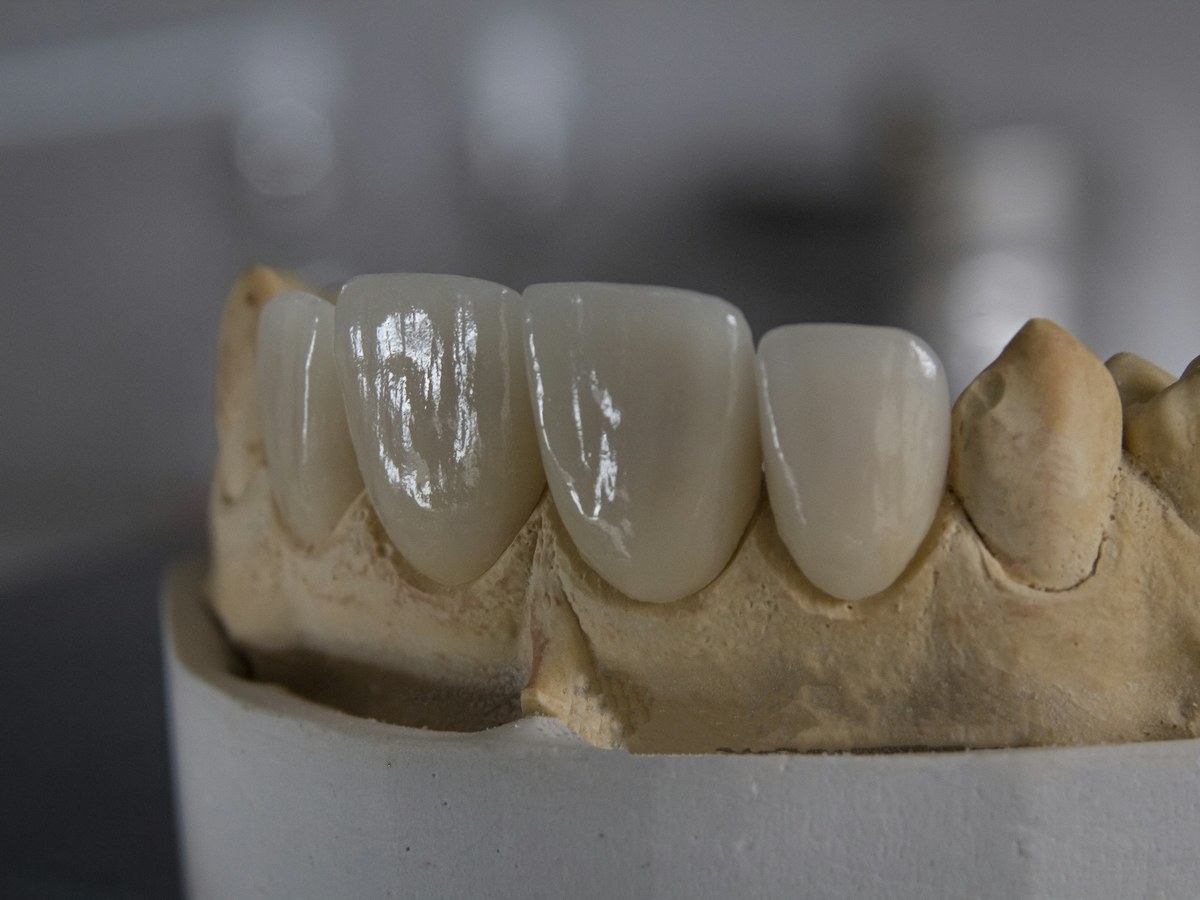
Porcelain veneers are one of the most requested cosmetic dental treatments for a reason. When they are planned well, they can change the shape, color, and overall harmony of a smile with remarkable precision. But veneers are not the right answer for every person who wants a prettier smile, and they are certainly not a casual decision. A good candidate is not simply someone who dislikes their teeth. A good candidate is someone whose goals, tooth structure, bite, habits, and oral health all line up with what veneers can realistically do.
That distinction matters. In practice, the happiest veneer patients tend to be the ones who come in with a clear concern, healthy expectations, and enough healthy enamel to support a long-lasting result. The disappointed patients are usually the ones who were never ideal candidates in the first place, or who were promised that veneers would fix problems better handled by orthodontics, bonding, whitening, or restorative treatment.
For anyone researching Veneers Oxnard CA, the real question is not whether veneers are popular or attractive. The question is whether they make sense for your specific mouth, your smile goals, and your long-term dental health.
Veneers work best when the problem is mostly cosmetic
Veneers are thin shells, most often porcelain, bonded to the front of teeth to improve appearance. They are especially effective for teeth that are stained, worn, chipped, slightly misshapen, or mildly misaligned. The key phrase is mildly. Veneers can create the appearance of better alignment, but they do not physically move teeth. They can make short teeth look longer, narrow teeth look fuller, and dark teeth look brighter. They can also close small spaces and improve symmetry.
A person becomes a candidate for veneers when the smile concerns fall into that cosmetic lane. If the issue is deep decay, active gum disease, unstable bite problems, or severe crowding, veneers move down the list and other treatments move up.
Think of veneers as fine finish carpentry rather than structural remodeling. If the frame underneath is solid, the finish can look beautiful and hold up well. If the frame is weak, no cosmetic layer will solve the underlying problem.
The healthiest candidates usually start with healthy teeth and gums
This is the first filter, and it is often the least glamorous part of the conversation. Before any cosmetic treatment, a dentist needs to see healthy gum tissue, stable bone support, and teeth that are free from untreated disease. That does not mean a person must have a perfect dental history. Many adults who want veneers have old fillings, past dental work, or a history of enamel wear. Those things do not automatically rule veneers out. What matters is whether the mouth is currently healthy and stable enough to support them.
If the gums are inflamed and bleed easily, the veneer margins become harder to place accurately and harder to keep clean later. If there is untreated decay, placing veneers first would be like painting over water damage. If the teeth have large failing restorations or cracks that extend beyond what a veneer can safely cover, crowns or other restorative options may make more sense.
Patients are sometimes surprised when a cosmetic consultation turns into a conversation about periodontal therapy, cavity treatment, or replacing old fillings first. That is not a sales tactic. It is good sequencing. Cosmetic work lasts longer when the foundation is handled first.
Enamel matters more than many people realize
One of the strongest signs that someone is a good veneer candidate is the presence of enough healthy enamel on the front surface of the teeth. Veneers bond best to enamel. Bonding to enamel is generally more predictable and durable than bonding to exposed dentin. When a dentist plans veneers, preserving as much enamel as possible usually leads to a better long-term outcome.
This becomes important in a few common situations. Someone who has already had extensive bonding, significant erosion from acid exposure, or advanced wear from grinding may have less enamel available. That does not always disqualify them, but it changes the conversation. More worn teeth may need a different approach, more protective Veneers Oxnard CA planning, or a different restoration entirely.
People often hear the phrase “minimal prep veneers” and assume that means anyone can get them without trade-offs. In reality, minimal preparation works best in carefully selected cases. Teeth that already project outward, teeth with bulky shapes, or cases with significant color changes may still require precise reshaping to avoid a thick, over-contoured look.
The best veneer cases have clear, specific goals
When I think about strong candidates, I think about people who can articulate what bothers them. Not with dental jargon, just with useful clarity. They may say their front teeth look too small when they smile. They may hate white spots that whitening cannot fix. They may have one dark tooth after trauma, or edges that chip repeatedly and make them look older than they feel. Those are concrete concerns, and veneers often address them well.
The more vague the goal, the more careful the planning has to be. “I want a perfect smile” sounds straightforward, but it can mean ten different things. Some people want brighter teeth, some want straighter teeth, some want a softer shape, and some want a dramatic celebrity look that may not fit their face. Veneers can be customized beautifully, but they should be designed around facial proportions, lip dynamics, bite function, and personality. A smile that looks stunning on one patient can look unnatural on another.
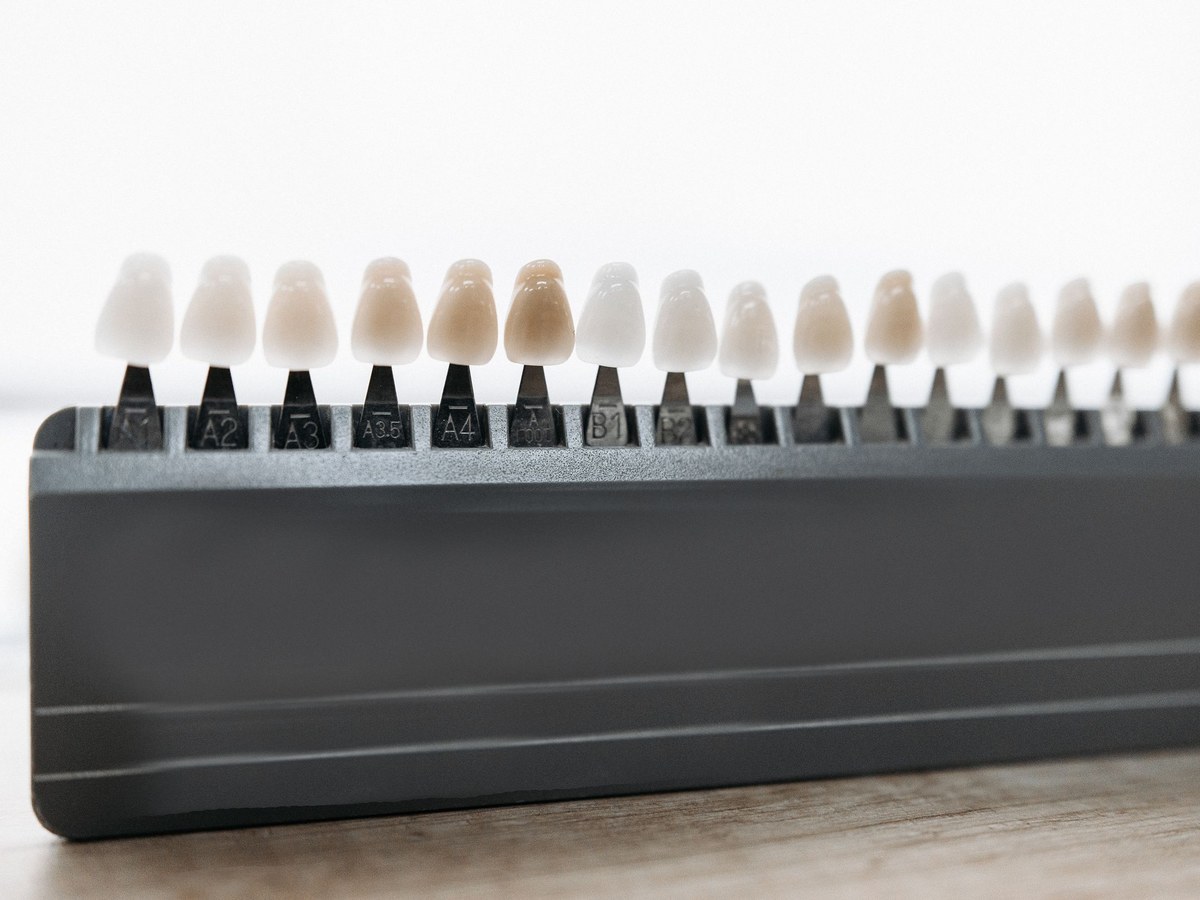
This is one reason consultations should go beyond simply picking a shade. The shape, length, translucency, edge texture, and overall proportion matter just as much as whiteness.
Cosmetic concerns veneers often improve well
The following situations often make someone a strong candidate for veneers, assuming the teeth and gums are otherwise healthy:
- Teeth with internal staining or discoloration that does not respond well to professional whitening.
- Small chips, uneven edges, or wear that changes the smile’s symmetry.
- Mild gaps between front teeth that do not require full orthodontic movement.
- Teeth that are naturally small, narrow, or irregularly shaped.
- Slight crowding or minor rotation where the patient wants a cosmetic camouflage approach rather than braces or aligners.
Even within these categories, judgment matters. A tiny edge chip on an otherwise beautiful tooth Veneers Oxnard CA may be better treated with bonding. A dark, root canal treated front tooth may need a different restorative plan depending on how much tooth structure remains. Good candidacy is never just about the problem. It is about the most conservative and predictable way to solve it.
Bite forces and grinding habits can make or break a veneer case
A patient can have beautiful natural teeth, strong enamel, and reasonable cosmetic goals, then still be a poor veneer candidate because of bite issues or parafunctional habits. Clenching and grinding are especially important. Veneers are durable, but they are not indestructible. Heavy nighttime grinding can chip porcelain, stress the bond, and wear opposing teeth. That does not always rule veneers out, but it absolutely raises the risk.
In coastal communities like Oxnard, where people are active and often balancing busy work and family schedules, stress-related grinding is common. Many patients do not realize they do it until a dentist points out wear facets, fractured bonding, scalloped tongue edges, or sore jaw muscles. Others know they grind because partners hear it at night. If veneers are planned in these cases, a night guard is often part of the long-term strategy, not an optional add-on.
The bite itself matters too. If the front teeth hit in a way that places excessive force on the veneer edges, the design has to account for that. Sometimes enamel reshaping, orthodontic alignment, or a broader occlusal plan is needed first. Veneers placed into an unstable bite tend to fail sooner, no matter how attractive they look on delivery day.
Alignment matters, but not always in the way people expect
One of the most common misconceptions is that veneers are a replacement for orthodontics in every case. They are not. Veneers can create the illusion of straighter teeth when misalignment is minor, but they should not be used to mask severe crowding, major rotations, or significant bite discrepancies that really call for tooth movement.
There is a judgment call here. A patient with one slightly turned lateral incisor and tiny gaps may be an excellent veneer candidate. A patient with overlapping front teeth, a deep bite, and limited space is often better served by aligners first, then possibly veneers or bonding later. In many cases, a short course of orthodontics can make the eventual veneer treatment more conservative, because less tooth reshaping is needed.
Patients do not always love hearing that they may need aligners before cosmetic work. But from a tooth preservation standpoint, it is often the more elegant solution.
Gum shape and smile line influence the final result
Veneers do not exist in isolation. They sit inside a frame made up of lips and gums. Someone may be a candidate from a tooth perspective but still need gum contouring or other adjustments to create balance. Uneven gum levels, short clinical crowns, or excessive gingival display can affect whether veneers alone will achieve the look the patient wants.
This is especially true in high smile lines, where a lot of gum shows when smiling. In those patients, tiny asymmetries that would go unnoticed in a low smile line become much more visible. A detailed evaluation matters here. The color and shape of the veneers can be perfect, but if the gum architecture is uneven, the smile may still look off.
A thoughtful cosmetic plan looks at the entire smile zone, not just the visible enamel.
Age is part of the conversation, but not the deciding factor
There is no single perfect age for veneers. Adults of many ages can be candidates. What matters more is dental maturity, pulp size, bite stability, and the patient’s ability to maintain the work over time. Younger adults need especially careful planning because veneers are not a one-time, lifetime event. They may need maintenance, repair, or replacement over the years.
That does not mean younger patients should avoid veneers categorically. It means the treatment should be chosen with full awareness of the long horizon ahead. If a 22-year-old with healthy teeth only wants a brighter smile, whitening or very conservative bonding may be more appropriate. If a 35-year-old has long-standing enamel defects, worn edges, and failed bonding that has been redone multiple times, veneers may be a very reasonable next step.
The right age is the age at which the problem, the tooth condition, and the patient’s expectations all line up.
Some people want veneers when another option would serve them better
A strong cosmetic dentist does not say yes to veneers automatically. Part of good case selection is knowing when not to do them. That can save patients money, tooth structure, and frustration. There are many situations where an alternative is more conservative or more predictable.
Whitening may be enough for someone with healthy, well-shaped teeth and generalized staining. Bonding may be ideal for a small chip or one undersized tooth. Orthodontics may be the right answer for crowding or spacing that reflects a real alignment issue. Crowns may be necessary when the tooth is heavily filled, cracked, or structurally compromised beyond what a veneer can safely support.
This is where professional judgment matters more than social media before-and-after photos. A smile can often be improved in multiple ways. The best plan is the one that preserves health while delivering the look the patient actually wants.
Situations that deserve extra caution before veneers
These issues do not always eliminate candidacy, but they often need to be addressed first or weighed carefully:
- Active gum disease, untreated cavities, or poor home care.
- Heavy grinding, clenching, or repeated chipping of existing dental work.
- Severe crowding, major bite discrepancies, or teeth positioned far out of alignment.
- Very thin enamel, significant acid erosion, or multiple large existing restorations on the front teeth.
- Expectations that are unrealistic, overly rushed, or disconnected from the person’s natural facial features.
That last point gets less attention than it should. A patient can be technically eligible for veneers and still be the wrong candidate emotionally if they expect a result that no restoration can provide. Cosmetic dentistry can do a lot. It cannot fix every insecurity, and it should not be presented that way.
Lifestyle and maintenance habits matter after placement
Long-term success with veneers depends heavily on how a person cares for them. Good candidates are usually people who attend regular dental visits, brush and floss consistently, and understand that porcelain still requires maintenance. Veneers do not decay, but the teeth underneath and around them still can. The gum tissue around veneers still responds to plaque. The edges of veneers can still stain if hygiene slips and margins are not kept clean.
Diet and habits play a role too. Frequent ice chewing, opening packages with teeth, biting fingernails, or using front teeth as tools can shorten the life of veneers. Very acidic diets can also affect surrounding enamel and gum health, even if the porcelain itself remains stable.
The strongest candidates are not perfectionists. They are simply realistic and willing to protect their investment.
What a real veneer evaluation should include
A proper veneer consultation should be part cosmetic design session and part functional health exam. A dentist should assess the smile from multiple angles, not just with a quick glance at the front teeth. Photos, bite analysis, X-rays when appropriate, and a review of medical and dental history all help. Sometimes digital previews or mock-ups are used so the patient can visualize likely changes in length and shape.
The most useful consultations usually include a conversation about what the patient notices first when looking in the mirror. That often reveals whether the problem is truly color, shape, alignment, gum display, or some combination. It is not unusual for patients to request veneers because they think their teeth are “crooked,” only to learn that the issue they actually dislike most is uneven edge wear or a dull gray color.
When people search for Veneers Oxnard CA, they are often comparing practices based on photos alone. Photos matter, but the consultation experience matters more. A careful dentist should be able to explain not only what can be improved, but why a particular plan fits your teeth better than another.
Temporary veneers can reveal a lot
One of the most informative parts of the veneer process is the provisional stage, when temporary veneers or trial designs are placed. Patients often discover small but important preferences at this stage. A front tooth may feel too long. The smile may look too square, too bright, or too uniform. Speech can also reveal whether edges need refinement.
This is not a sign that something has gone wrong. It is part of the design process. Good cosmetic work often involves subtle adjustments before the final porcelain is made or cemented. The best candidates understand that excellent results come from collaboration and refinement, not from rushing straight to the brightest possible smile.
Oxnard patients often have practical concerns that affect candidacy
In a place like Oxnard, many patients are not just asking whether veneers will look good. They are asking whether the treatment will fit their real lives. They want to know whether they can keep up with maintenance, whether they grind from stress, whether years of coffee or red wine staining have changed their enamel, whether old sports injuries matter, and whether cosmetic treatment is worth doing before other dental needs are handled.
Those are smart questions. A school teacher who talks all day may care about how temporaries affect speech. A patient who surfs or cycles may already have a custom mouthguard and wonder how veneers change that plan. Someone with a long history of trying whitening products may finally be ready for veneers because discoloration runs deeper than surface stain. These practical details are where candidacy becomes real, not theoretical.
The strongest candidates share a few patterns
They usually have healthy or treatable dental conditions, enough enamel for reliable bonding, and cosmetic concerns that veneers are actually designed to solve. Their expectations are grounded. They understand that veneers improve smiles, not lives in the abstract. They are open to alternatives when another treatment would preserve more tooth structure. They are willing to wear a night guard if needed and to maintain regular hygiene care after placement.
Most importantly, they are choosing veneers for the right reason. Not because the treatment is trendy, but because it fits their anatomy, their goals, and the way they want their smile to look and function over time.
If you are considering Veneers Oxnard CA, candidacy starts with an honest evaluation, not a sales pitch. The right plan should make your teeth look better while respecting the biology underneath. When those two priorities stay aligned, veneers can be one of the most satisfying treatments in cosmetic dentistry.
Oxnard Dentistry
1730 E Gonzales Rd, Oxnard, CA 93036, United States
+1 805-307-8731
FAQ About Veneers Oxnard CA
How long do porcelain veneers last?
Porcelain veneers can last for many years, but they can chip, loosen, or wear over time. Their lifespan depends on factors such as your bite, whether you grind your teeth, and daily care. Regular dental visits let your dentist check their condition.
Are dental veneers permanent?
Traditional veneers often require removing a small amount of enamel, so that change to the tooth is generally irreversible. Veneers can still need repair or replacement. Ask your dentist how much preparation your teeth would require.
How much do veneers cost in Oxnard?
Cost depends on the material, how many teeth you want treated, and whether you need other dental work first. Ask for a written estimate that explains the price per tooth and what is included.